Smart Home Design Through the Five Senses
Light that follows your day, silence for sleep, a house that still smells like home after months away. Smart home design that starts with how you want to feel.
Nikolai Atapkov
Founder / CEO
19 min read
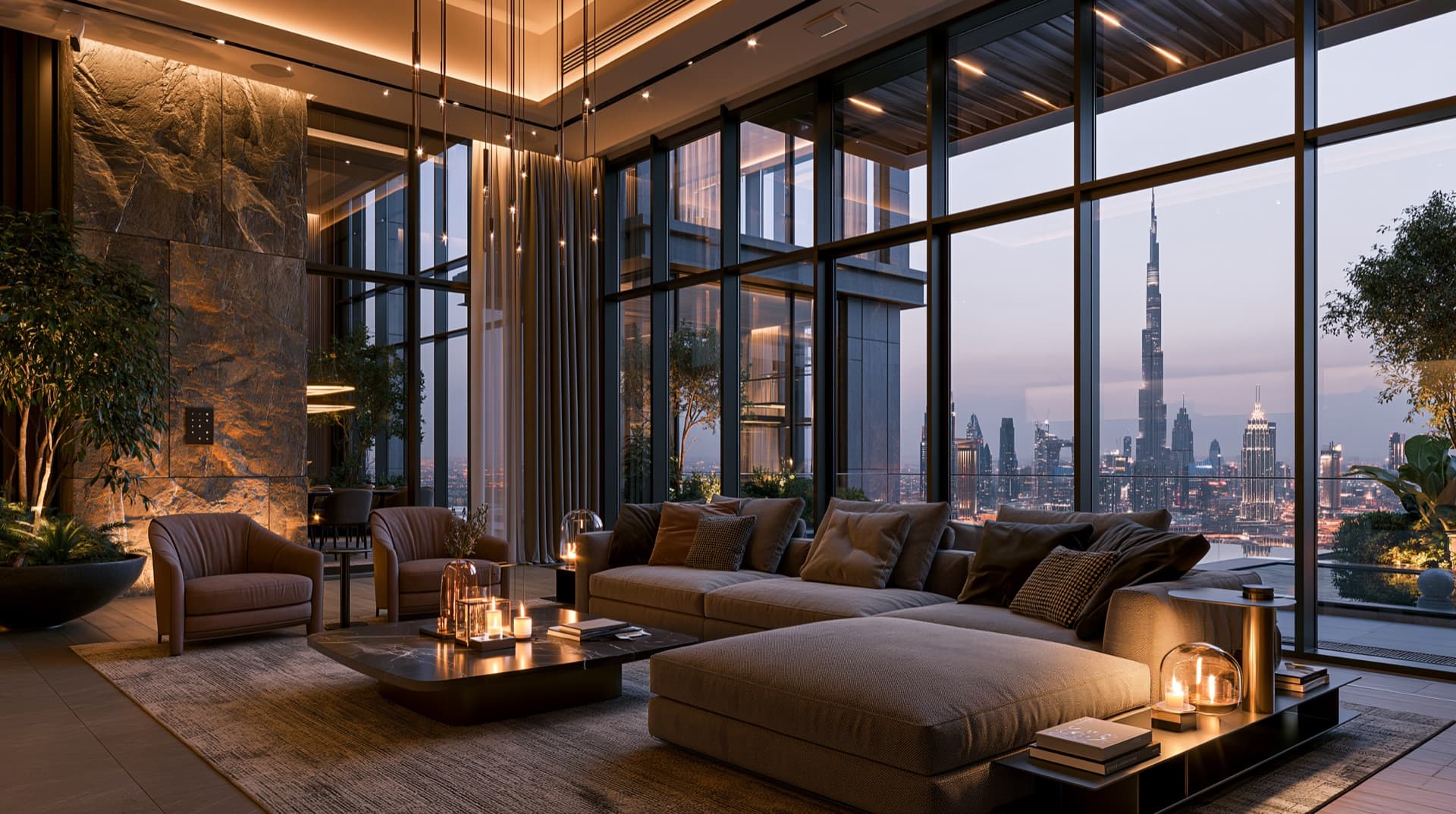
A living room in a photograph and an evening spent in it are two different things. Smart home design through the five senses starts with that evening — with what you will see, hear and feel — and leaves the choice of equipment until later. It also explains what a smart home is for: shaping the state you want to be in, not controlling devices.
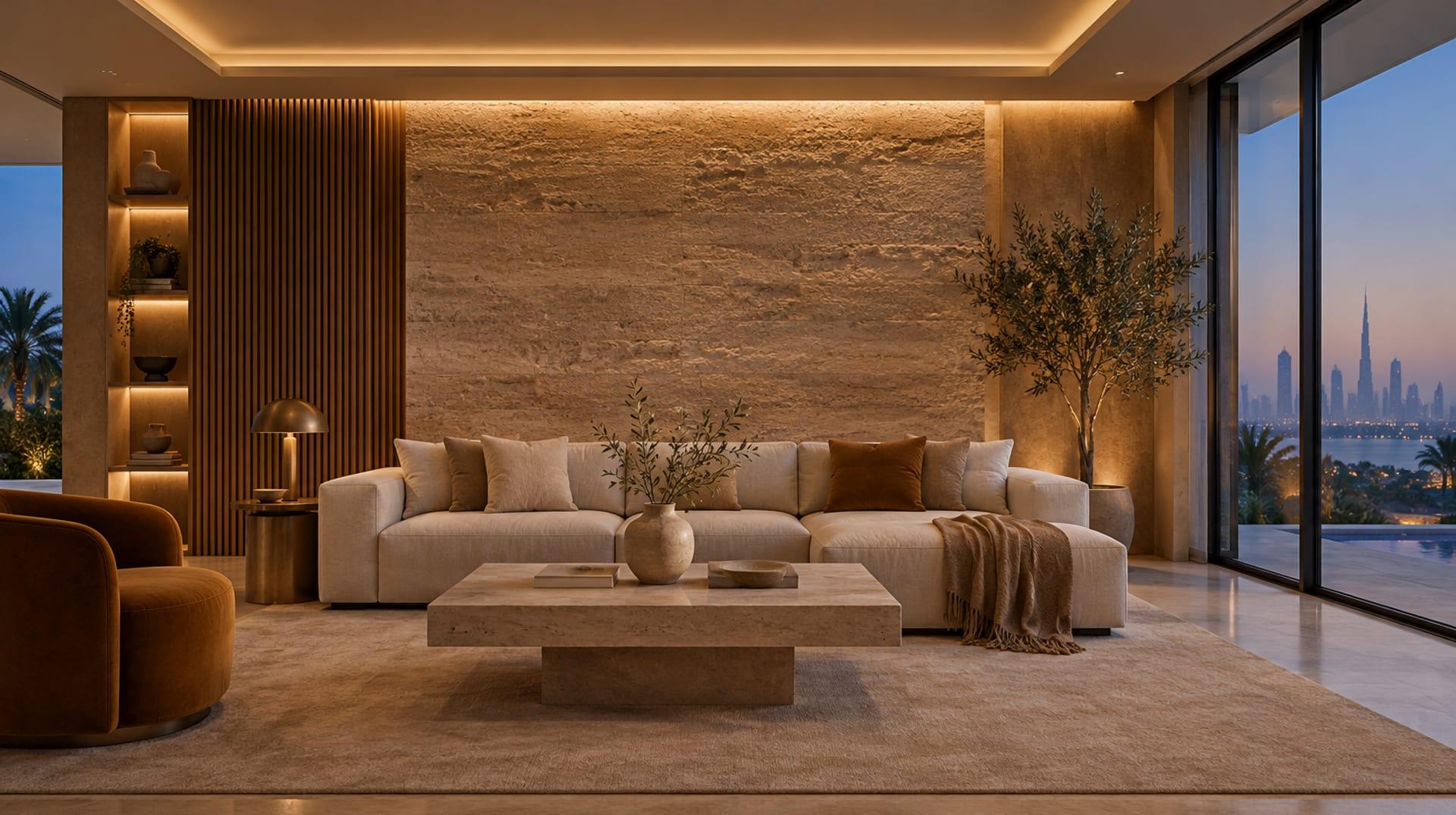
In the photograph, everything is flawless: stone, timber, a generous sofa, floor-to-ceiling windows. Spend an evening there, though, and things appear that no photograph can show. Light reflects in the screen. In the quiet passages of a film, you can hear the air conditioning. There is a draught over your favourite chair. Making the room cosier means hunting for several remotes. Each system works on its own, yet the room still does not feel the way the interior promised.
Luxury today is measured not by a list of objects but by how a space feels. In 1998, Joseph Pine and James Gilmore described the “experience economy” in Harvard Business Review: an economy in which people pay for what they experience rather than for things. Psychologists have since shown, more than once, that experiential purchases tend, on average, to make us happier than material ones. By that logic, a home is an experience too, and one you live every day.
BUTLER’s engineering team takes its lead from the client or the designer: when they want to talk about how a home should feel, we gladly pick up that conversation and start not with equipment but with the five senses: sight, hearing, smell, touch and taste. A designer already practises sensory design through proportion, material and light; an engineer is used to speaking in specifications. The five senses give them a shared language for the atmosphere of a home. And if you live between two countries, they help answer the question that matters most: how will the house greet you after months standing empty?
01.Sight: circadian light that keeps time with your day
Sight is the sense we work with on every project: light, curtains, screens, art, the view from the window. Rather than lamps, the system manages where your eye goes and the rhythm of your day: clarity and focus in the morning, calm in the evening, darkness for sleep at night.
The rhythm of the day is not a figure of speech here. In the early 2000s, cells containing a pigment called melanopsin were discovered in the retina: they play almost no part in forming the image, but they tell the brain whether it is day or night. In 2022 an international group of researchers published consensus recommendations on indoor light for healthy adults in PLOS Biology: by day, a melanopic illuminance (melanopic EDI) of at least 250 lux at the eye; in the three hours before sleep, no more than 10 lux; in the bedroom at night, no more than 1 lux.
Three things follow for a project. Light for the body clock is calculated at the eye, in the vertical plane, rather than on the desk. By day, the recommendations name daylight as the first source, and in Dubai, where curtains are drawn against the heat, that becomes a separate task: letting the light in while keeping the heat out.
In the evening, light should become not only dimmer but warmer: at the same illuminance, warm light acts on these cells more weakly than cool light. This is how circadian lighting, also known as human-centric lighting, works; technically, it relies on tunable white, luminaires with adjustable colour temperature. We deliver this kind of lighting on our projects; it has its subtleties, and I will cover them in a separate article. Our page on lighting design and control explains how a lighting scheme is shaped around the interior and the rhythm of the house.
On some of our projects, entire art installations are part of the evening scene and come on with the light and the music. And on one project that is still bare concrete, the design includes the concept of a digital window: a pre-recorded view of a famous landmark in one of the CIS cities (summer, autumn and winter, around the clock), synchronised with the local time in the house. Morning in the house is morning through that window, and evening is evening. Technically, nothing here is special:
“ It is just a screen — all the magic is in the logic. ”
The logic decides when the image appears, how bright it is and when the screen is better switched off. At night, a window like this has to be a night window, in content and in brightness. A constantly moving picture does not suit every interior, and that, too, is a design decision.
02.Hearing: music by zone and the right to silence
In a home, hearing means zones with different jobs: background music, focused listening, films, games — and silence. The system decides where sound plays and where it does not, so that in one house people can listen, work and sleep at the same time.
In the kitchen, music over breakfast is background. In a listening room, what matters is the sound, where the listener sits and the acoustics. In a private cinema, sound is bound to the picture and the action; in a games room, to the console, a racing or flight simulator and sometimes golf. In the cinema and the listening room, the design is built around the screen and the acoustics, and there the technology does not argue with the interior — it sets the terms for it. Everywhere else it works the other way round: the equipment stays out of sight, and multi-room audio and AV integration ties those rooms and the cinema into one system, with each zone playing its own music.
In a villa, sound carries out onto the terrace and into the garden: music, a match on the screen, a film after dark. Where the audience sits, where the sound is aimed and how the outdoor seating relates to the bedrooms and the neighbouring plots are decided on the floor plan.
In any conversation about sound, I always insist on one item: silence. If someone is working in the study, the terrace music should not start playing there too. If someone has gone to bed, the evening scene in the living room should take that into account. The World Health Organization ranks sleep disturbance among the main health effects of noise, and research shows that the body reacts to noise (a faster heart rate, a shift into lighter sleep) even when the person does not wake up.
That is why silence needs engineering of its own. Where the equipment sits, how vibration is damped, how much noise the ventilation makes, how well the walls keep sound out: all of this is settled with the relevant specialists, before the ceilings are closed. Programming cannot fix noise that is built into the room. What programming can do is switch the bedroom air conditioning to its quiet mode at night, if the equipment supports it. In Dubai, where air conditioning is the constant background to daily life, that is no small thing.
03.Smell: a home that smells like home
Smell is the first thing to greet you at the door. Here the system looks after the air, the water in the plumbing and home fragrance, and it protects one state in particular: the feeling that you have come home, not to an apartment that has stood shut for months.
I call one problem “the smell of premium”: it turns up in expensive homes that are rarely lived in. One example: an apartment in an old building in St Petersburg, where the owner spent only a few days a year. The apartment was cleaned, yet by the time the owner arrived the whole place smelled of sewage. And the apartment was worth an enormous amount of money.
Stories like this have a mundane explanation. A basin, a shower drain and a toilet each have a trap: a little water that stops sewer gases from entering the room. When the plumbing goes unused for long periods, the water evaporates and the barrier disappears. That apartment had no dry (waterless) trap seals, and even now they are not fitted by default everywhere.
Automation solves this. While the home stands empty, the system refreshes the water in the traps on a schedule, flushing the toilets and topping up the drain traps where the plumbing allows, and reminds the staff of the checks to make before the owners arrive. We have done this on our own projects; in an apartment the owners visit only now and then, it is worth building into the apartment automation from the very start. And the home begins to smell not of premium, but simply of home. If the smell persists after that, it is a job for a plumber: automation cannot correct a mistake in the drainage.
Paying attention to smell is not a whim. Unlike sight and hearing, smell sends its signal to the amygdala and the hippocampus — the parts of the brain linked to emotion and memory — without a relay stop in the thalamus, the brain’s switchboard for the other senses. In studies, memories triggered by smell tend to be more emotional than those cued by words or pictures. The first smell after a trip matters: the memory of home is made of it.
Home fragrance is the next step, not a way to mask the smell of sewage. The scent in the entrance hall or the spa, its intensity and when it is released are chosen to suit the owners and their guests, and a simple way to switch it off is planned in from the start. Science adds one more point: we quickly get used to a constant smell and stop noticing it, so a fragrance works better in moments, for an arrival or for guests, than as a background all day.
This is what coming back after a long absence looks like. By the agreed time, the house has reached the right temperature, the entrance is lit, the water in the traps has been refreshed and the staff have their checklist. If the owner likes music on arrival, it plays only in the chosen zone. With remote access, all of this can be set in motion before you fly.
04.Touch: warmth, water and the material under your hand
In a home, touch is not only contact but the whole physical environment: the temperature of the air, its movement against your skin, the floor under bare feet, the water in the shower, the metal of a keypad under your fingers. The system manages climate, water and heating so that the body is comfortable through the day, in the bathroom and before sleep.
Our experience began with warmth, with heating control projects: radiators, convectors, underfloor heating. The first thing heat teaches you is that the same number on the thermostat does not mean the same comfort. The ASHRAE 55 thermal comfort standard takes six factors into account: the temperature of the air and of the surrounding surfaces, humidity, air speed, and the clothing and activity of the people in the room. Even at its optimum, the standard’s model leaves some people dissatisfied: no single setpoint suits everyone.
In Dubai, this is obvious beside a floor-to-ceiling window: the air in the living room is at 22 °C, yet on the sofa you feel the heat of the sun-warmed glass. For one owner, a quiet air conditioner matters most; for another, no cold draught over the bed; a third wants a warm bathroom floor while the room next door is being cooled. We coordinate the controls with the HVAC design so that the systems hold the conditions you want and do not work against each other.
Then there is sleep. Body temperature falls before sleep, and a cool bedroom helps it along, while heat leaves sleep broken and shortens its deeper stages. An unexpected ally here is a warm shower or bath an hour or two before bed: the blood vessels in the skin widen, the body sheds heat faster, and falling asleep becomes easier. The evening bathroom and the cool bedroom are two halves of the same scene.
In the bathroom, touch also means water. Makers of designer showers, Dornbracht for example, have long sold not water but an experience: programmes in which the sprays and the temperature change to a set sequence. Where the model and its interfaces allow, a smart shower like this can become part of the bathroom scene, with the lighting, the music and the heated mirror — something to check when the fittings are chosen with the designer.
A shower system like this can cost anywhere from €10,000 to €100,000. These showers also use noticeably more water than a standard overhead shower. How much depends on the model and the number of outlets, and it belongs in the plumbing design from the start.
Then comes the touch you repeat every day: the keypad. Your hand feels its material, its edge and the weight of the press, so the keypad should be chosen alongside the finish samples and tried in the hand. The finish of keypads, sockets and thermostats is the most aesthetic part of engineering, and the trade is simple: automation gathers the functions of several devices into one keypad, so for a modest smart home budget the wall carries fewer devices and can be given over to the material — brass, bronze, nickel, graphite. What else stays on show is covered in our article on a home where the technology disappears.
05.Taste: the question of the cup and the light over the table
Taste, I will admit, is where we score close to zero. Automation does not make dinner taste better. But the system does control the light and the sound at the table, and the science of perception now says with confidence that both change the way food and drink taste to us.
In the kitchen, a home can monitor compatible water treatment, remind you when it is due for servicing and store drink settings on the coffee machine. A favourite scene in presentations is coffee that makes itself as you wake up. Some coffee machines really can be started from a phone, but one manufacturer states plainly in its instructions that the machine must be prepared and an empty cup already in place. So I have a simple question about this scene:
Are you sure the cup is already there?
Say it is. But how does the machine know it is a cup, and an empty one? And has the milk been sitting warm overnight? On one popular model, remote start also switches itself off after 24 hours. And even if it all works, we are talking about one cup of coffee, not breakfast for the family. In real life, the scene is close to impossible, and the button on the machine is sometimes more honest than the automation. The fifth sense is useful precisely because it stops us in time: a project should include what makes sense in the life of the person it is for.
Now for the scientific twist. The Crossmodal Research Laboratory at the University of Oxford, headed by Charles Spence, author of “Gastrophysics” (2017), has long studied how the other senses change the way we taste. In 2014, nearly 3,000 people tasted the same red wine while the colour of the light and the music in the room changed. Under green light and “sour” music, the wine seemed fresher; people liked it most under red light and “sweet” music. This is crossmodal flavour perception at work.
06.What a smart home is for: the state you want to be in
A smart home is there to manage your state — focus, rest, entertainment, sleep — rather than devices. Smart home scenes are best built the same way: from the state you want to be in, back to the light, sound, climate and water that create it.
For me, this is the best answer to why any of it matters. Convenience and savings are genuine smart home benefits, but not the main ones. At first glance, a wellness home looks like an optional extra, yet this is exactly where a smart home shows what it can do. Here is how the five senses add up to states:
| State | Light | Sound | Climate | Water and scent |
|---|---|---|---|---|
| Focus | bright by day, at the eye; no glare on screens | silence: music from other zones does not play here | cool, no draughts | — |
| Rest | warm, dimmed, picking out textures | your own music in your own zone | warm floor, heated mirror | a shower programme, scent if you like |
| Entertainment | follows the screen and the music; walkways stay lit | sound around the audience, in this zone only | cooling with headroom for guests | — |
| Sleep | warm and dim in the evening, darkness at night, a soft glow on the way to the bathroom | silence; air conditioning in quiet mode | a cool bedroom | a warm shower an hour or two before bed |
| Coming home | entrance lit | music on arrival, if you like it | at temperature before you arrive | water in the traps refreshed |
An evening in the bathroom. A single keypad button starts the scene: warm light, your own music, the heated mirror, a shower programme and, if you like, the coloured light that manufacturers call chromotherapy. The owner keeps the equipment’s own controls as well.
Everyone has their own routine: the automation reproduces it, and the owner changes it whenever they like. Honesty matters here: we are not doctors, and we do not promise health. We create conditions in which it is easier to concentrate, rest and fall asleep, and whether to use them is up to you.
07.Sensory design for restaurants, spas and bars
In commercial spaces the five senses work in the same way; the purpose of each area sets the controls. A restaurant sells atmosphere and taste, so that guests linger and come back; a spa sells relaxation; a cinema, a bar or a karaoke room sells the opposite: movement and energy.
In a restaurant, everything said about taste becomes a commercial brief. A review by Spence shows that loud background noise and loud music dull our sense of taste, sweet and sour above all. A dining room that is too loud literally mutes the cooking the guest is paying for, which is why the light on the table, the music and the chance to hold a conversation are one task here, not three systems.
In a spa, water, temperature and privacy join the light and sound; in a bar or a karaoke room, the sound carries the evening. Hotels and shops have long used scent marketing, in which a fragrance becomes part of the brand. For a shisha lounge in Dubai, we did the automation and the audio system, and we are now working on the same client’s next project, this time in Abu Dhabi.
08.The devil is in the detail: design, handover and support
When a smart home is criticised in public, in my experience the cause is less often the equipment brand than how the system was designed, handed over and supported. Even when a device fails, the question is for the design: was its failure planned for, and who replaces it? If your home already has a system that is not working, start with an audit and recovery of the existing system: first find out what is broken (the equipment, the logic or the documentation) and only then decide what to change.
A good home stays easy to understand. The basic functions sit on the keypads, with no phone or app required. For the important ones, the design decides in advance what happens if the internet drops or a component fails: local KNX, Lutron and Control4 controllers keep working without the internet, and you lose only remote access and the cloud assistants. The owner has the documentation, the access details and a clear support arrangement, and handover tests whole everyday routines, not just the devices.
09.What a designer should settle with the engineer early on
Before the working drawings, a designer only needs to walk through the floor plan with the engineer and answer six questions. The answers show what each room is meant to feel like and what the walls and ceilings must allow for to get there.
- Who will be doing what in the room in the morning, during the day and in the evening — family, guests, staff?
- Where do silence, darkness, privacy or easy conversation matter most?
- What tends to irritate the owners: bright light, draughts, noise, too many remotes, confusing buttons?
- What should happen on its own, and what only on command?
- How long will the house stand empty, and how should it greet the owners after a trip?
- What stays on show, what will people touch, and where will maintenance access be needed?
Your design and your answers to these questions are our brief: they determine the platform, the equipment, the mounting positions and the way the house is controlled. Some decisions are made early: space for curtains and screens, cable routes to the speakers, the position of the climate equipment. Final light levels, the sound and the details of each scene are set during commissioning in the finished room, then fine-tuned, usually a few weeks after the owners move in, to the way the house is actually lived in.
10.When a home feels the way it was designed to
Back to the photograph of the living room. A good result is easy to describe without a single technical word: the light does not get in the way of the film, the bedroom is cool and quiet, music plays where people want to hear it, a guest understands the keypad, and after a long trip the house smells like home. The five senses help everyone agree on all of this in advance, while the project is still on paper.
If you are a designer, send us the floor plan and the concept at an early stage: we will start from the sensations you are designing into the interior and turn them into engineering decisions. What we take on at that stage is set out on the page about how we work with architects and interior designers. If you own an apartment or a villa in Dubai, tell us how you like to spend time at home: we will start with your habits and the way you want the house to feel, and put the engineering together with your designer.
Sources
- PLOS Biology — Recommendations for daytime, evening, and nighttime indoor light exposure to best support physiology, sleep, and wakefulness in healthy adults (Brown et al., 2022) (journals.plos.org).
- World Health Organization — Environmental Noise Guidelines for the European Region (2018) (who.int).
- Flavour (Springer Nature) — A large sample study on the influence of the multisensory environment on the wine drinking experience (Spence, Velasco & Knoeferle, 2014) (link.springer.com).
Key takeaways
- A smart home is there to manage the state you want to be in — focus, rest, entertainment or sleep — rather than individual devices.
- Smart home design through the five senses starts with what people will see, hear and feel; the equipment is chosen afterwards.
- Light sets the body clock: under the 2022 consensus recommendations, healthy adults need bright light by day, dim light in the evening and darkness at night, and evening light is best made warmer.
- For a house that stands empty for long periods to smell like home, the system refreshes the water in the drain traps on a schedule and has the climate ready before the owners arrive.
- Light and sound at the table change how flavour is perceived: automation does not make dinner taste better, but it shapes how that dinner tastes.
Written by
Nikolai Atapkov
Founder / CEO
Nikolai believes technology should work quietly within architecture, never compete with it. At BUTLER, he creates reliable, intuitive smart home systems designed to last.